
Your knees are the largest joints in your body and the most commonly injured. They appear to only bend and straighten, but their mechanics are much more complex and your knee rotates, translates, slides, and rolls every time you take a step. That complexity is why knee injuries are often misdiagnosed, and why the right surgeon makes a difference.
Dr. Steven Chudik is a board-certified, fellowship-trained orthopaedic surgeon and a pioneer in arthroscopic knee surgery. He has developed multiple knee surgical techniques currently in use by surgeons worldwide, including a growth-plate-sparing pediatric ACL reconstruction, a tunnelless approach to MPFL reconstruction for patellar dislocation, and one stage revision ACL reconstruction. He holds eight orthopaedic patents and performs over 500 procedures annually.
Common Knee Problems
Dr. Chudik treats the full range of knee conditions. The most common problems fall into a few clinical categories.
Arthritis and Joint Surface Conditions
- Knee Osteoarthritis
- Knee Osteoarthritis – Spanish
- Patellofemoral Arthritis
- Unicompartmental Arthritis
Ligament Injuries
Ligaments
Meniscus, Cartilage, and Joint Surface Injuries
Tendon Injuries
Fractures and Traumatic Injuries
- Patella Fracture
- Tibial Plateau Fracture
- Distal Femur Fracture
- Tibial Eminence Fracture
- Tibial Tubercle Avulsion
- Stress Fracture About the Knee
Joint Dislocations and Instability
Other Knee Disorders
- Avascular Necrosis
- Osgood-Schlatter Disease
- Sinding-Larsen-Johansson Syndrome
- Bipartite Patella
- Infrapatellar Fat Pad Syndrome (Hoffa’s Disease)
- Patellofemoral Pain
- Plica Syndrome
- Bursitis (Prepatellar, Pes Anserine, Iliotibial)
- Osteochondroma Excision
Common Knee Treatments and Procedures
Treatment plans are individualized. Many knee conditions respond to non-surgical care — physical therapy, activity modification, injections, bracing. When surgery is indicated, Dr. Chudik uses minimally invasive arthroscopic techniques.
Featured procedures include:
- Arthroscopic Anatomic ACL Reconstruction
- Arthroscopic Anatomic ACL Reconstruction – Spanish
- ACL Reconstruction with Meniscus Repair
- Arthroscopic Pediatric Growth-Plate-Sparing ACL Reconstruction — developed by Dr. Chudik
- Arthroscopic Revision ACL Reconstruction — developed by Dr. Chudik
- Tunnelless Posterior Cruciate Ligament (PCL) Reconstruction
- Arthroscopic Medial Patellofemoral Ligament (MPFL) Tunnelless Reconstruction
- Anterolateral Ligament (ALL) Reconstruction
- Arthroscopic Meniscus Repair
- Arthroscopic Medial Meniscal Root Repair
- Arthroscopic Meniscus Transplant
- Arthroscopic Cartilage Repair and Transplant
- Minimally Invasive Patellar Tendon Repair
- Minimal Incision Quadriceps Tendon Repair
- Total Knee Arthroplasty (Joint Replacement— Robot-Assisted (MAKOplasty®)
- Total Knee Arthroplasty (Joint Replacement— Robot-Assisted (MAKOplasty®) – Spanish
- Unicompartmental Knee Arthroplasty — Robot-Assisted (MAKOplasty®)
- Revision Knee Surgery
Arthroscopic Knee Surgery
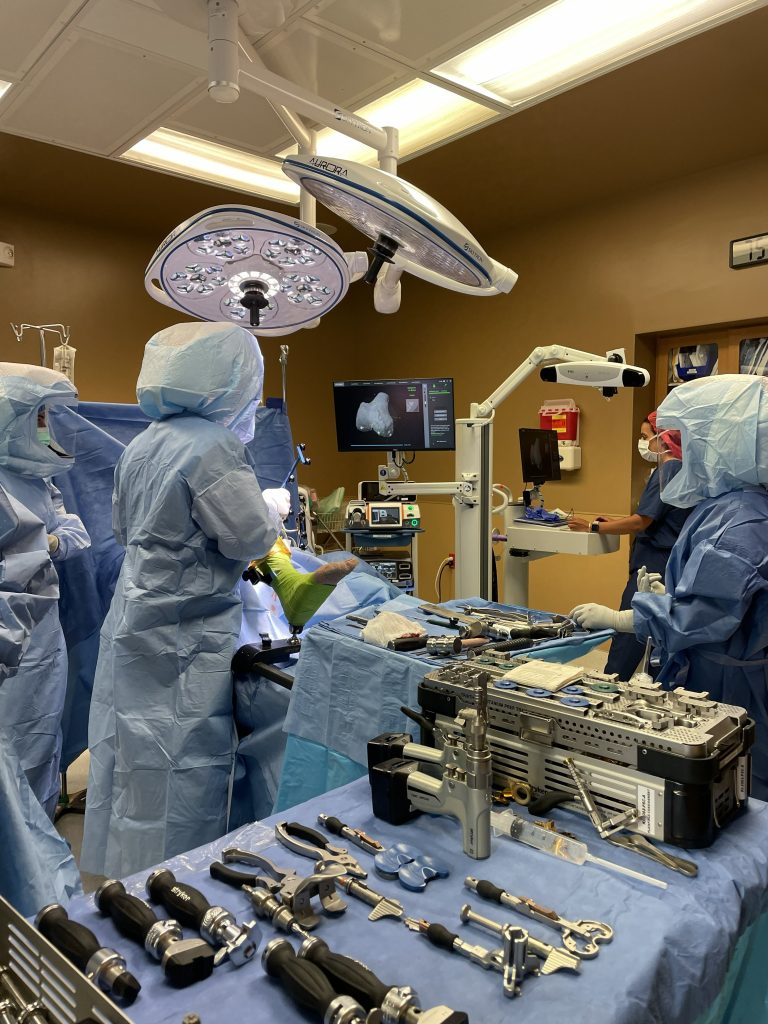
Arthroscopy is a minimally invasive surgical approach performed through small incisions using a miniature camera and specialized instruments to diagnose and treat injuries inside the joint. Dr. Chudik has developed multiple arthroscopic knee techniques, instruments, and implants to address limitations encountered with existing approaches — including a tunnelless ACL reconstruction that preserves bone stock for future revisions and a growth-plate-sparing procedure that allows ACL reconstruction in skeletally immature patients.
Compared to open surgery, arthroscopy reduces injury to surrounding soft tissues, minimizes post-operative pain and scarring, and supports faster return to function. Not every knee injury is best treated arthroscopically. Some fractures and complex reconstructions require open or combined approaches, and surgical indications are determined after thorough clinical evaluation.
When Surgery Is Recommended
Surgery is not the first option for most knee problems. Decisions are made after reviewing the clinical history, physical examination, diagnostic imaging, response to conservative treatment, and functional goals. Physical therapy, activity modification, bracing, injections, and anti-inflammatory medication are appropriate starting points for many conditions.
Timely evaluation matters. If knee symptoms of pain, swelling, stiffness, instability, locking, or inability to perform activities persist or worsen despite rest and conservative care, an evaluation is warranted. Delayed diagnosis delays treatment, negatively impacts outcomes, and delays return to sports and activity.
Understanding Your Knee Anatomy
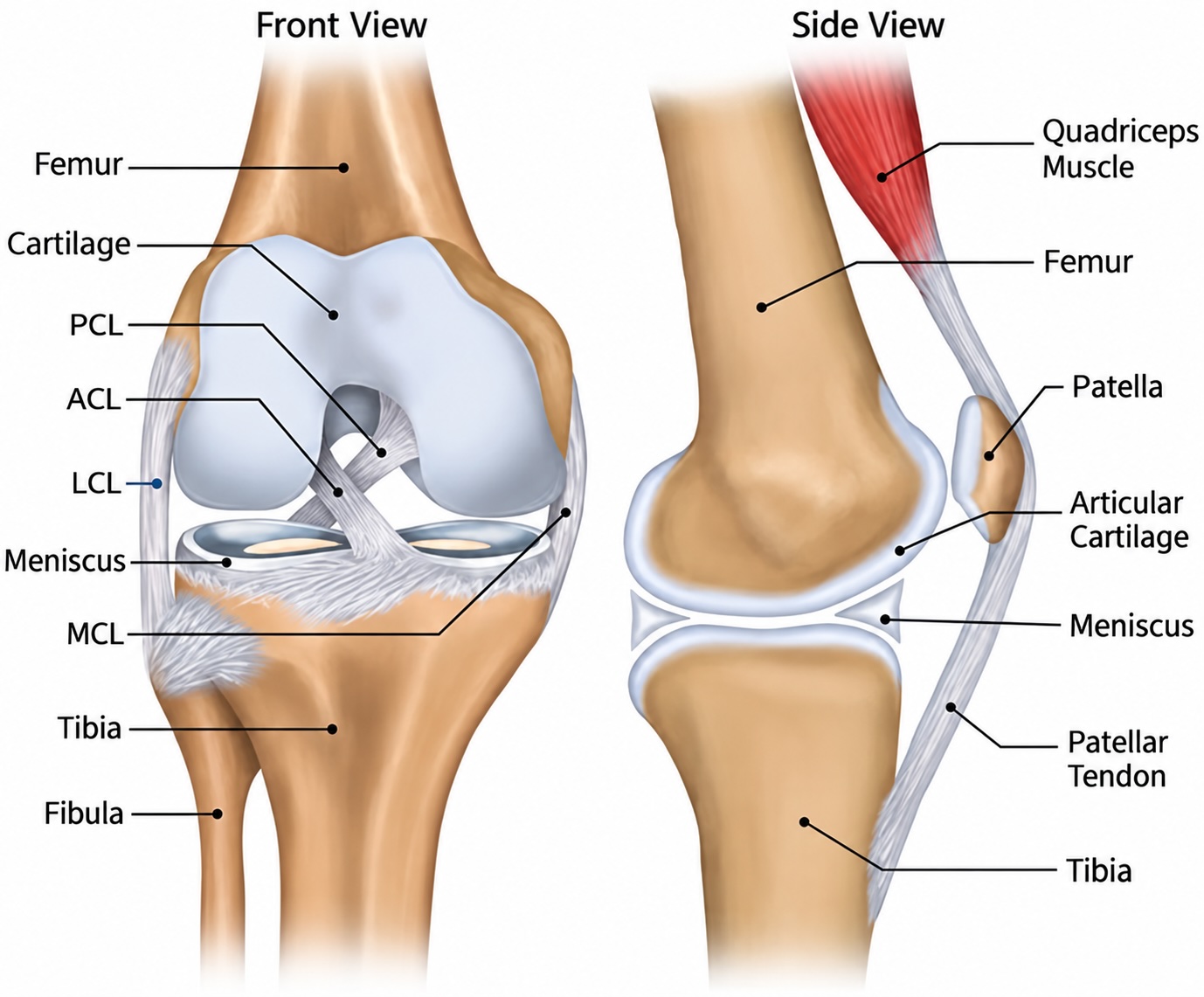
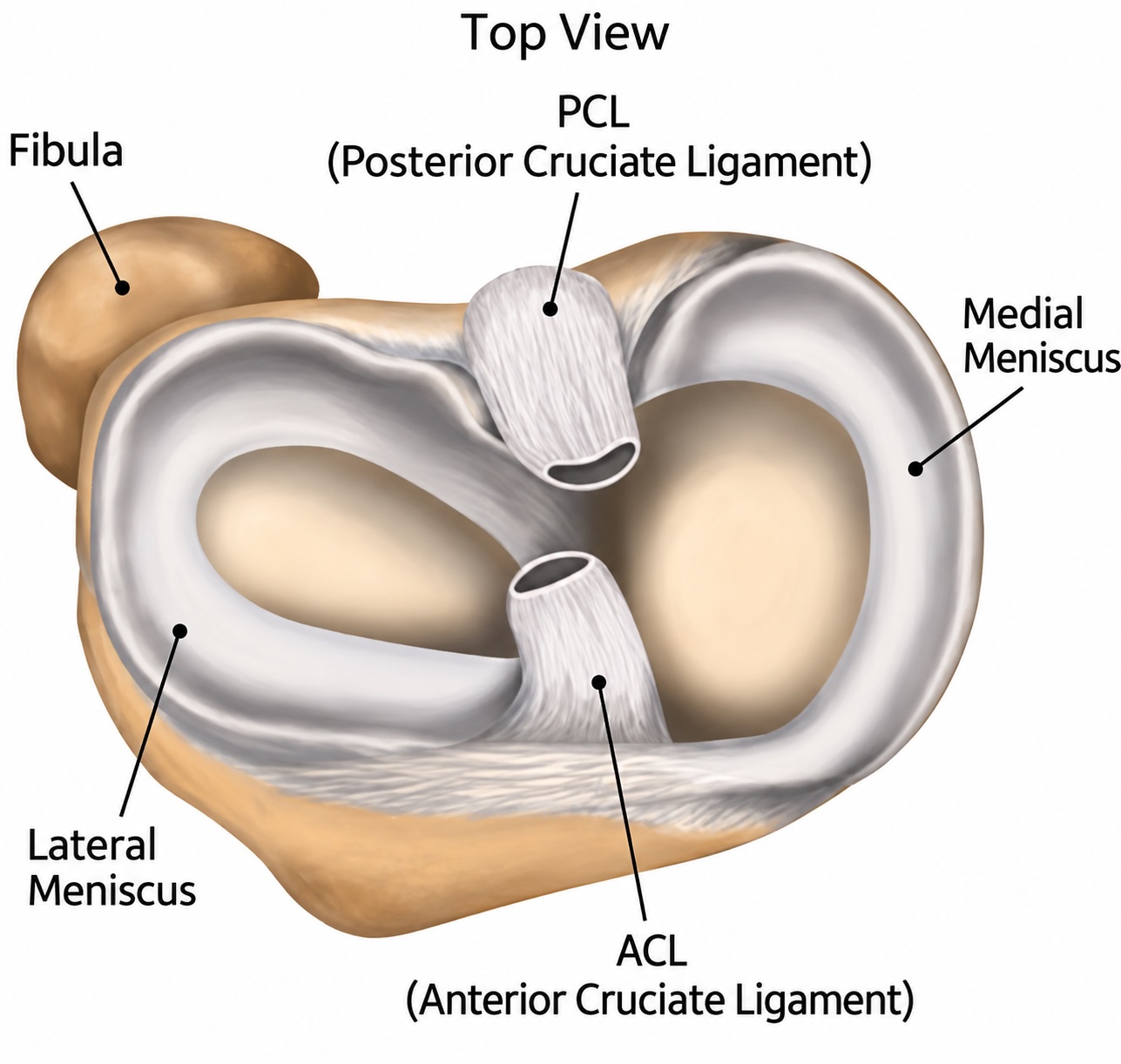
The knee is a complex joint made up of bones, cartilage, menisci, muscles, tendons and ligaments that work together to provide stability and movement.
Ligaments
Cartilage and Meniscus
Why Patients Choose Dr. Chudik for Knee Care
Dr. Chudik has performed arthroscopic knee surgery for more than twenty years, with a clinical focus on ligament reconstruction, meniscal preservation, cartilage restoration, and revision procedures. He has developed surgical techniques including his growth-plate-sparing pediatric ACL reconstruction, one stage ACL revision surgery, and tunnelless MPFL reconstruction for patellar dislocations. He is a US News & World Report Top Doctor in orthopaedics.
Clinically, his record translates to experience with complex orthopaedic cases including pediatric ligament injuries, failed prior ACL reconstructions, recurrent patellar dislocations, complex knee injuries, and robotic knee replacement.
Knee Care in the Chicago Area
Dr. Chudik treats patients at two key offices across the western Chicago suburbs: Westmont and Western Springs. His facilities are state of the art and offer on-site X-ray imaging, high-field MRI, physical and occupational therapy, and surgical care. Patients travel from across the United States and around the world to seek Dr. Chudik’s expertise.
Request a Knee Evaluation
If knee pain, instability, or loss of function is interfering with your life, schedule an evaluation. Call 630-324-0402, email contactus@chudikmd.com or request an appointment online.