
Your shoulder is the most mobile joint in your body — and the one most likely to pay for that mobility with pain, instability, or injury. When shoulder problems interfere with your work, sport, or sleep, the decision about what to do next should be made with a surgeon who treats shoulders all day, every day.
Dr. Steven Chudik is a board-certified, fellowship-trained orthopaedic surgeon whose practice centers on the shoulder. He holds multiple patents and is a pioneer in arthroscopic shoulder surgery, has developed multiple surgical techniques, instruments, and implants currently in use by surgeons worldwide. Specifically to address recurrent shoulder instability, repair rotator cuff tears and perform rotator cuff sparing shoulder replacement surgery.
Common Shoulder Problems
Dr. Chudik treats the full range of shoulder conditions. The most common problems fall into a few clinical categories.
Arthritis
- Glenohumeral Shoulder Joint Arthritis
- Glenohumeral Shoulder Joint Arthritis – Spanish
- Acromioclavicular (AC) Joint Arthritis
- Rotator Cuff Arthropathy
- Rotator Cuff Arthropathy – Spanish
Pain and Inflammation
- Shoulder Impingement
- Internal Impingement
- Snapping Scapula
- Swimmer’s Shoulder
- Little League Shoulder
Instability and Dislocation
- Anterior Shoulder Dislocation and Instability
- Posterior Shoulder Dislocation and Instability
- Multidirectional Shoulder Instability
- Glenohumeral Shoulder Dislocation
- Acromioclavicular Joint Sprain (Separated Shoulder)
- Hill-Sachs Lesion
- Anterior Bankart Labral Tear
- Posterior Bankart Labral Tear
Tears and Soft-Tissue Injuries
- Rotator Cuff Tear
- Subscapularis Rotator Cuff Tear
- Superior Labrum (SLAP) Tear
- Anterior Bankart Labral Tear
- Posterior Bankart Labral Tear
Cartilage and Joint Surface Damage
Shoulder Anatomy
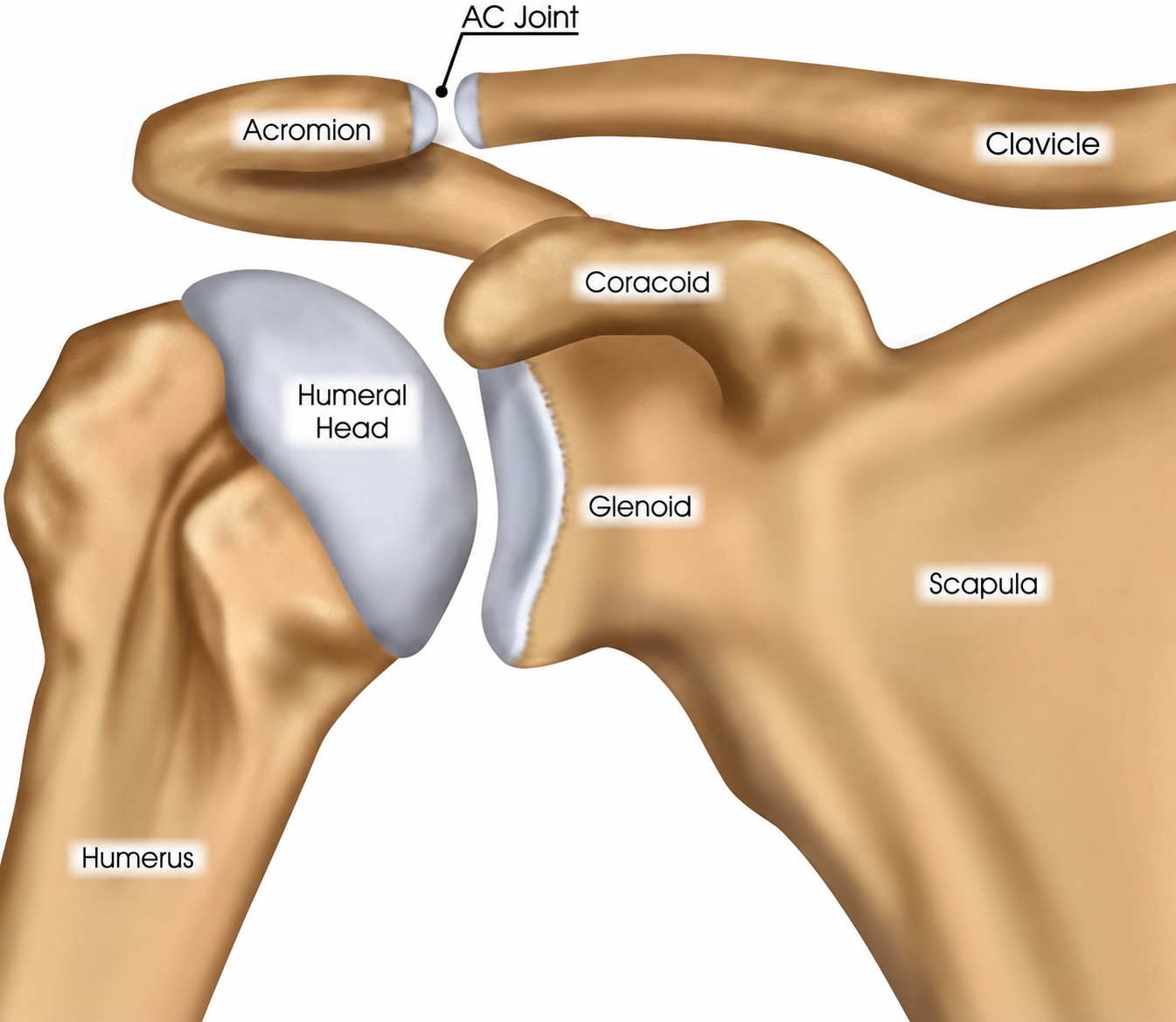
Cartilage
Fractures and Trauma
Tendon Injuries
- Rotator Cuff Tear
- Subscapularis Rotator Cuff Tear
- Calcific Tendinitis
- Pectoralis Major Tendon Rupture
- Proximal Biceps Tendon Rupture
- Proximal Biceps Tendon Rupture – Spanish
Other Shoulder Conditions
Common Shoulder Treatments and Procedures
Treatment plans are individualized and may be surgical or non-surgical depending on the diagnosis, the condition of the surrounding tissue, and the patient’s functional demands. When surgery is indicated, Dr. Chudik uses minimally invasive and arthroscopic techniques.
Featured procedures include:
- Arthroscopic Rotator Cuff Repair
- Arthroscopic Rotator Cuff Repair – Spanish
- Arthroscopic Bankart (Labrum) Repair — Anterior, Posterior, Inferior
- Arthroscopic Bankart (Labrum) Repair Posterior – Spanish
- Arthroscopic Bony Bankart Repair and Glenoid Reconstruction — developed by Dr. Chudik
- Total Shoulder Arthroplasty
- Total Shoulder Arthroplasty – Spanish
- Reverse Total Shoulder Arthroplasty (RTSA)
- Rotator Cuff Tissue Sparing Minimally Invasive Shoulder Replacement
- AC Joint Separation Repair and Reconstruction — developed by Dr. Chudik
- Superior Labrum (SLAP) Tear Repair
- Superior Capsular Reconstruction
- Arthroscopic Capsular Release
- Revision Shoulder Surgery
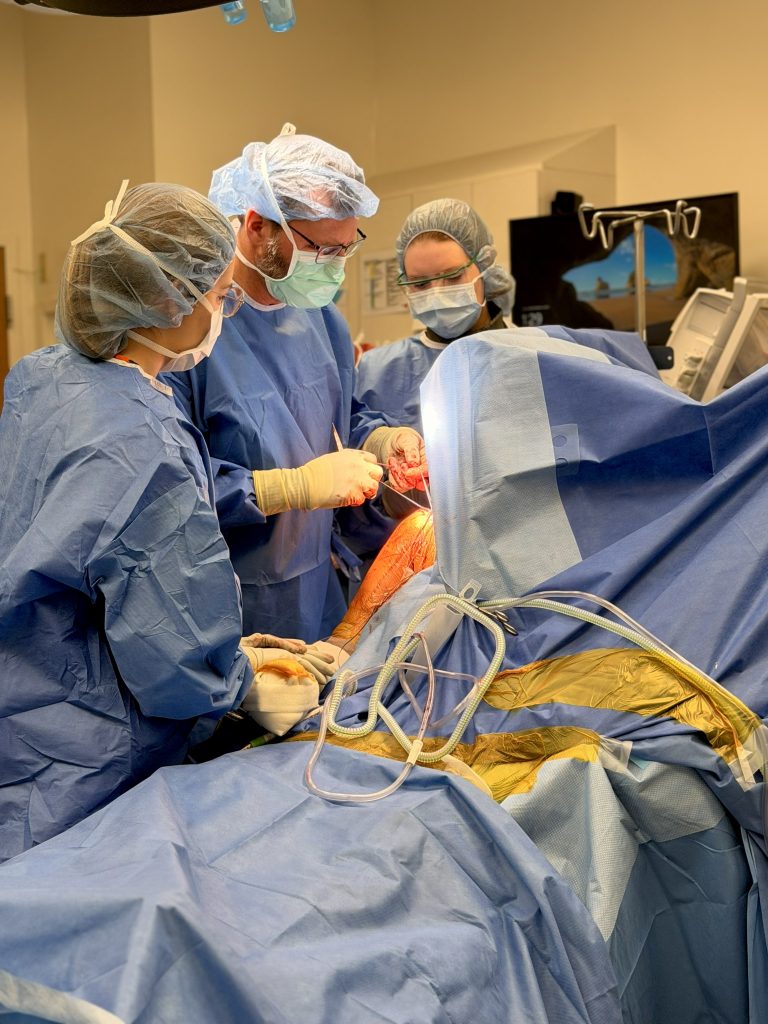
Arthroscopic Shoulder Surgery
Arthroscopy is a surgical approach performed through small incisions using a miniature camera and specialized instruments to diagnose and treat shoulder pathology. Dr. Chudik has developed multiple arthroscopic techniques, instruments, and implants because he saw gaps in the existing options and built better ones. Compared to open surgery, arthroscopy reduces injury to surrounding soft tissues, minimizes post-operative pain and scarring, and supports faster restoration of function and mobility.
When Surgery Is Recommended
Surgery is not the first option for most shoulder problems. Decisions are made after reviewing the clinical history, physical examination, diagnostic imaging, response to conservative treatment, and functional goals. Physical therapy, activity modification, bracing, injections, and anti-inflammatory medication are appropriate starting points for many conditions.
Timely evaluation matters. If shoulder symptoms of pain, swelling, stiffness, instability, locking, or inability to perform activities persist or worsen despite rest and conservative care, an evaluation is warranted. Delayed diagnosis delays treatment, negatively impacts outcomes, and delays return to sports and activity.
Understanding Your Shoulder Anatomy
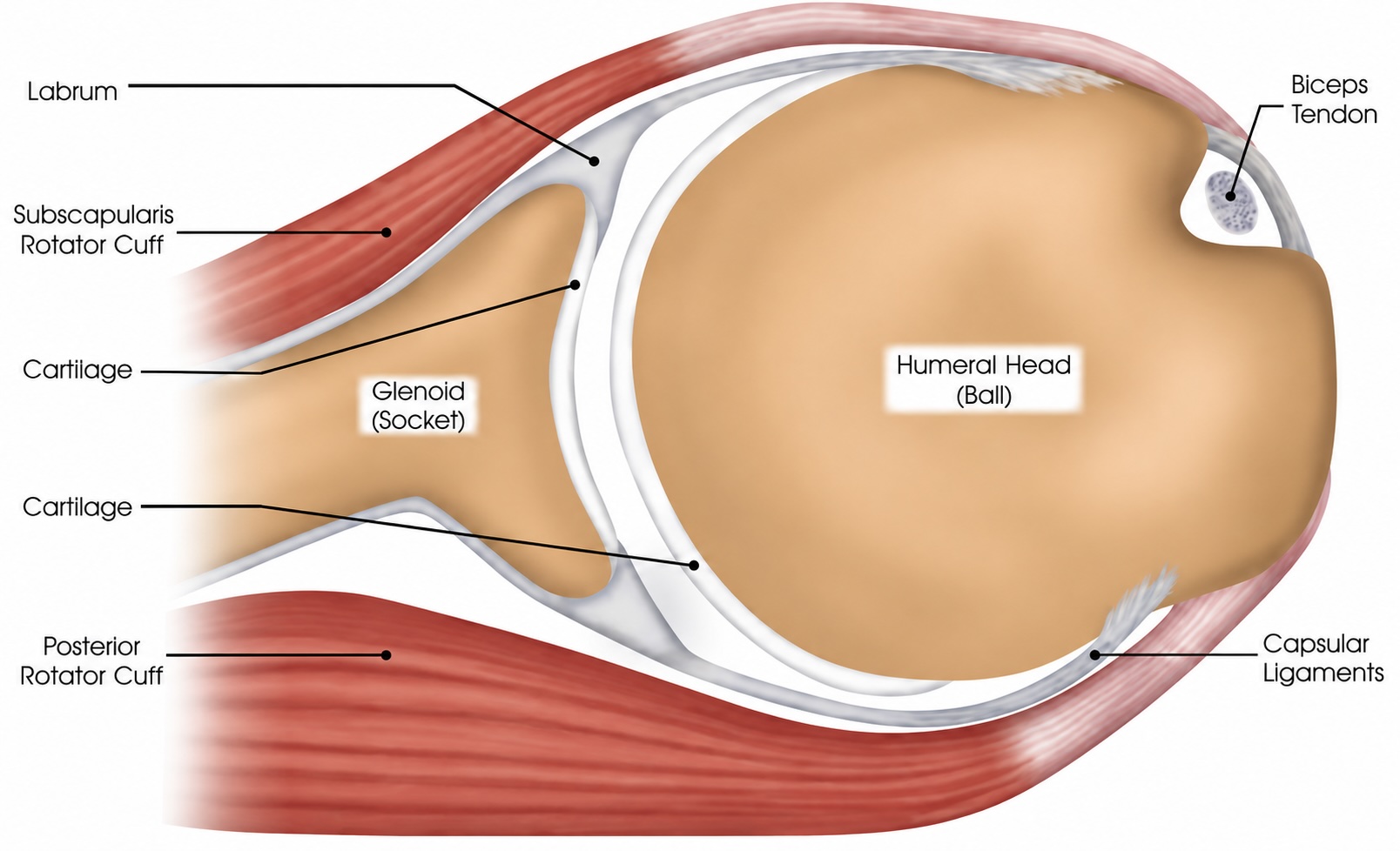
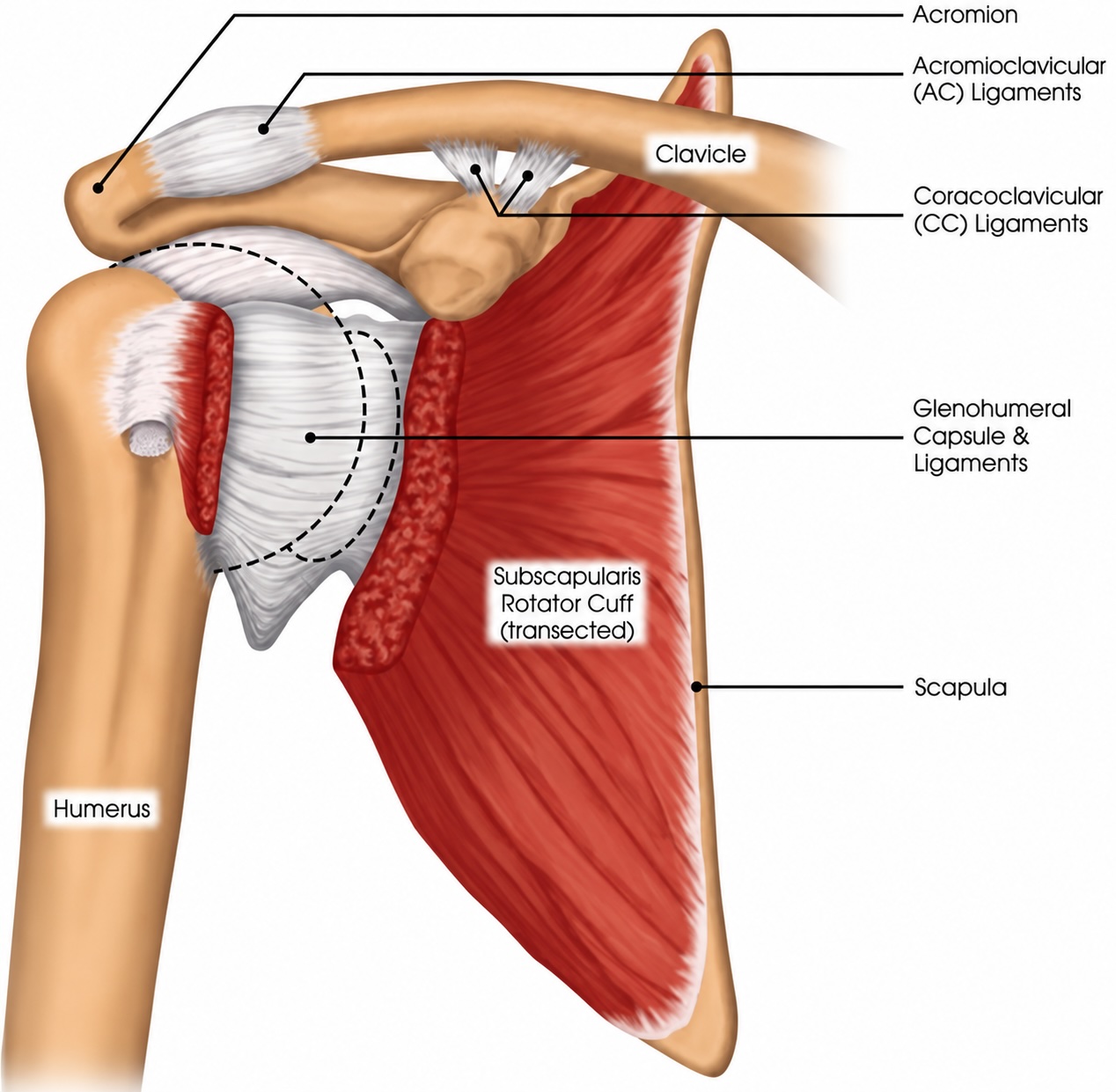
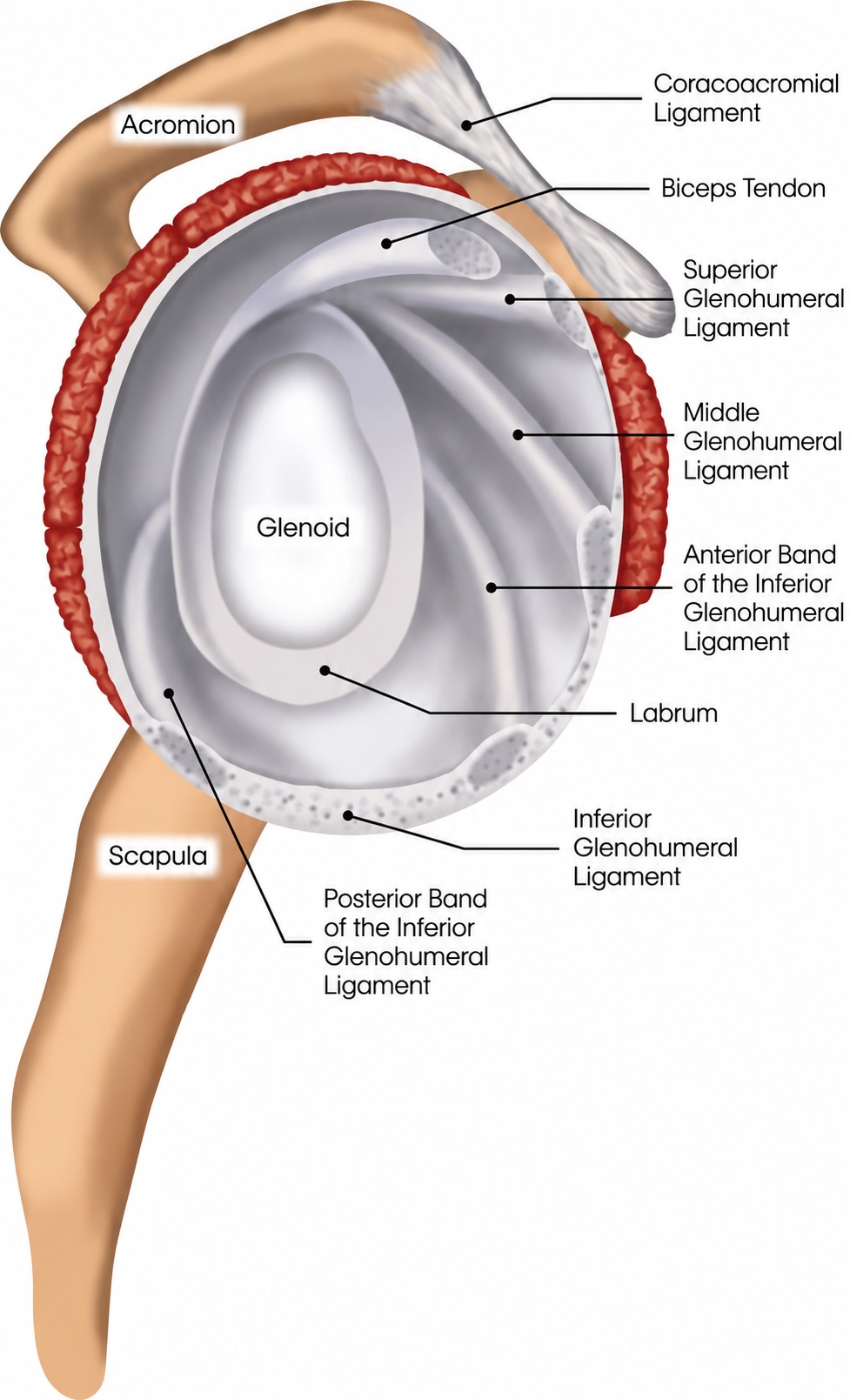
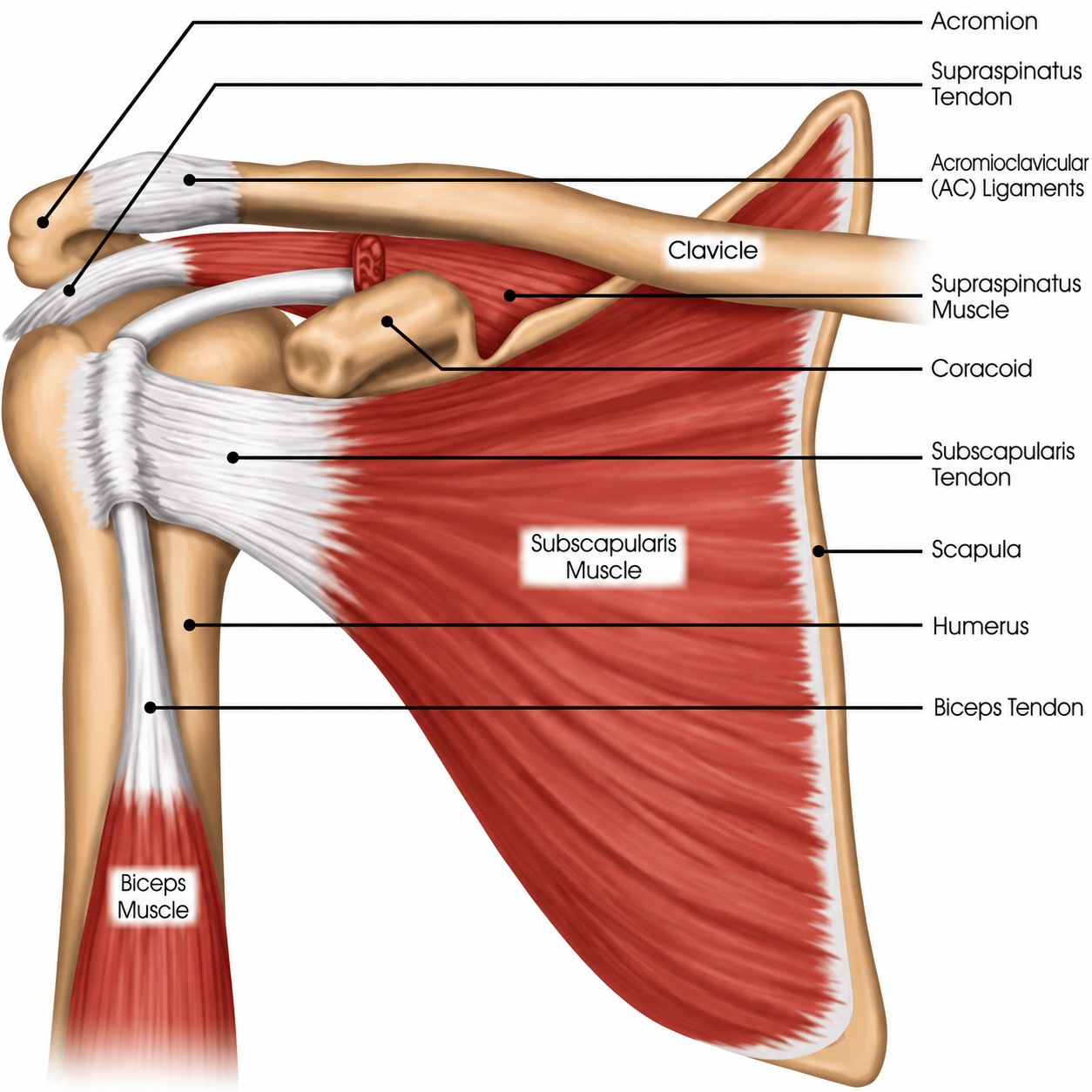
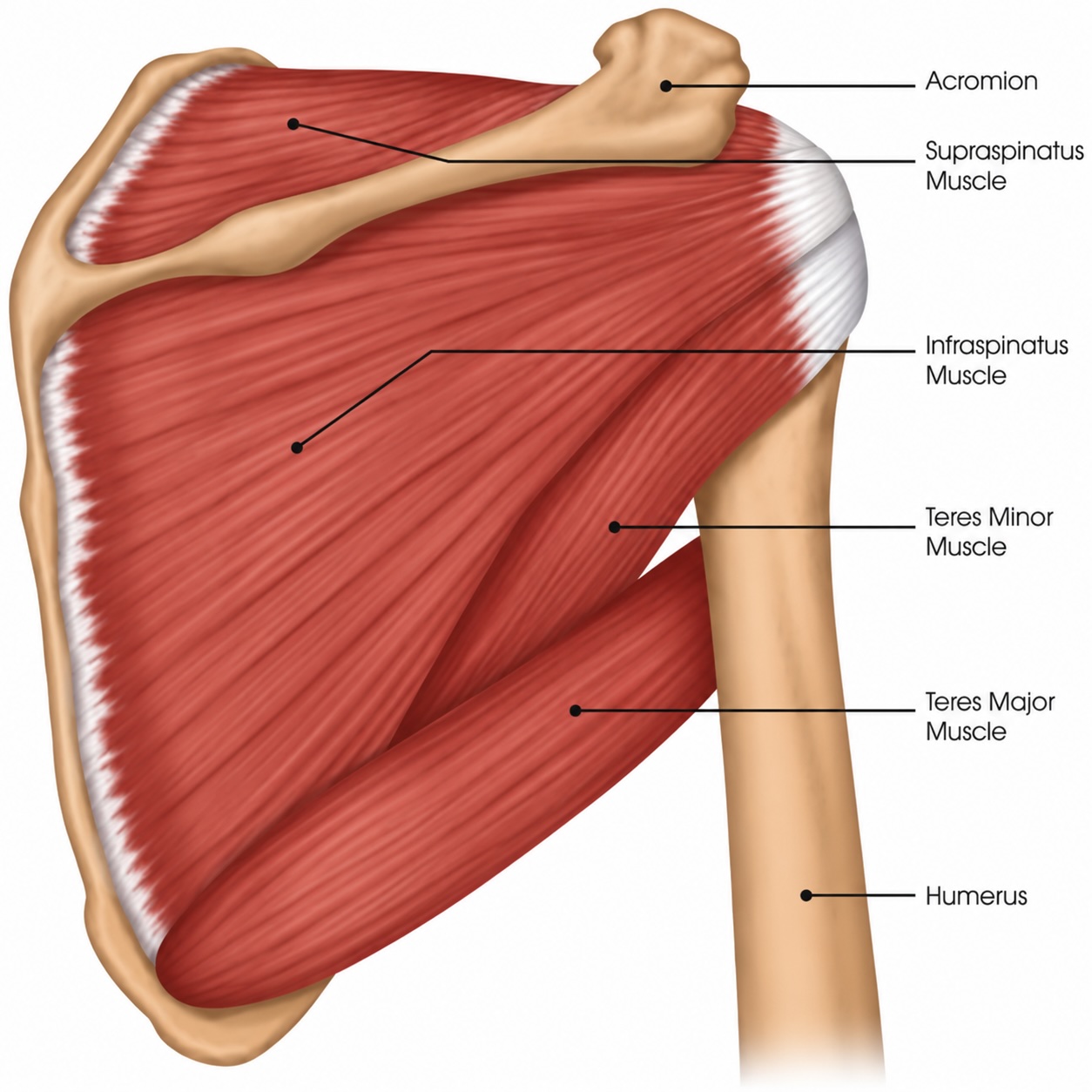
The shoulder is a complex joint made up of bones, cartilage, muscles, tendons, ligaments and the labrum that work together to provide stability and a wide range of motion.
Shoulder Anatomy
Labrum and Ligament Anatomy
Muscular Anatomy
Shoulder Care in the Chicago Area
Dr. Chudik treats patients at two key offices across the western Chicago suburbs: Westmont and Western Springs. His facilities are state of the art and offer on-site X-ray imaging, high-field MRI, physical and occupational therapy, and surgical care. Patients travel from across the United States and around the world to seek Dr. Chudik’s expertise.
Request a Shoulder Evaluation
If shoulder pain, weakness, or instability is interfering with your life, schedule an evaluation. Call 630-324-0402, email contactus@chudikmd.com or request an appointment online.
Learn More About the Shoulder
Our Patient-First approach
Our care team goes to great lengths to ensure your patient experience puts you at the center of your care plan, ensuring your health, comfort, and recovery are our primary focus from the initial consultation, to the completion of your care.